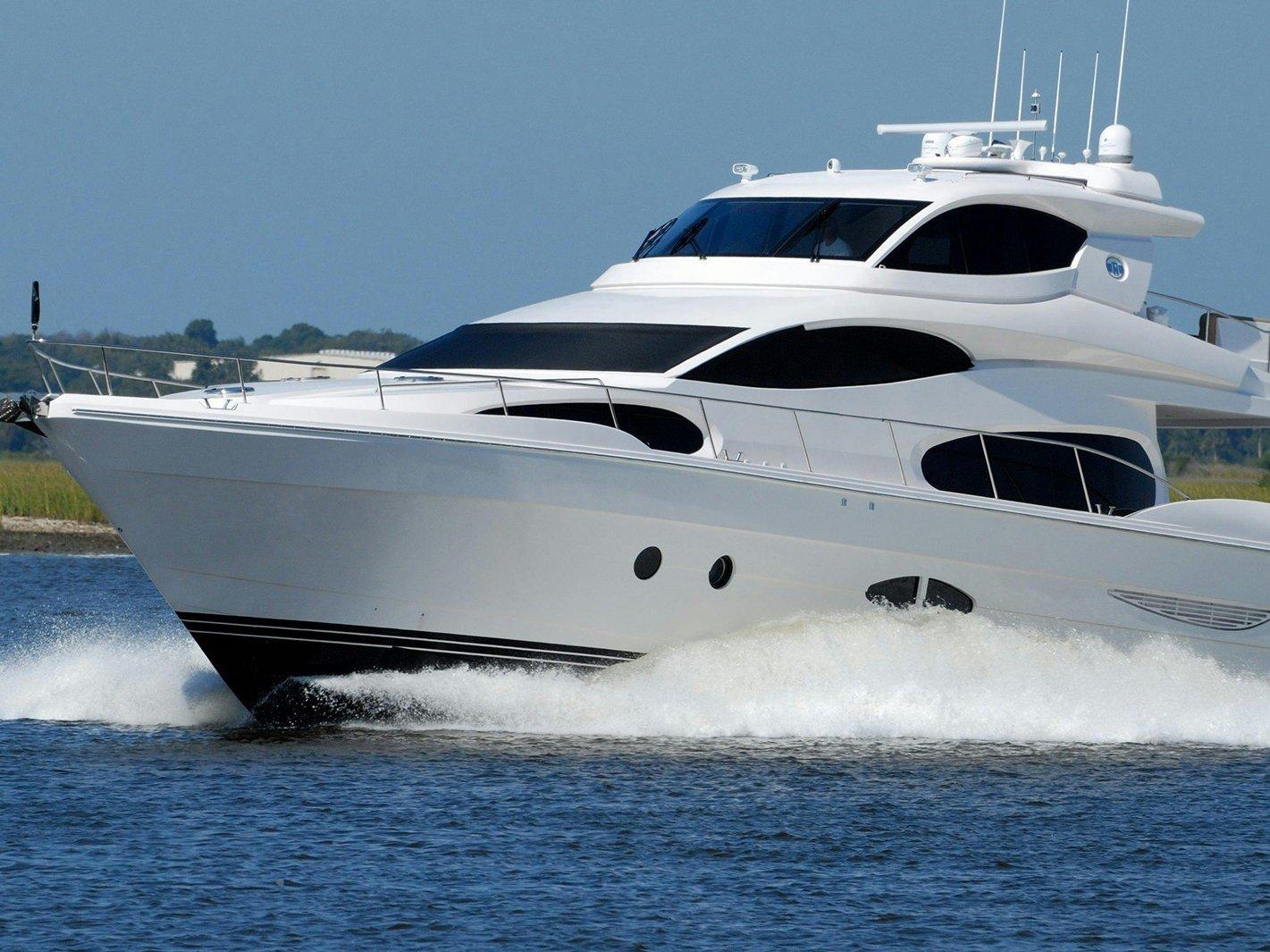
We all agree: a yacht is synonymous with freedom, comfort, and prestige. But there’s one aspect that often goes unnoticed, despite being fundamental to safety, efficiency, and environmental compliance: water and air management for yachts . And today, with the evolution of marine technical consulting , marine water and air quality is no longer a technical detail for insiders—it truly concerns everyone: owners, crews, guests, charterers, and anyone who loves the sea.
So, the question is: does your yacht guarantee clean water, healthy air, and sustainable resource management? Because it’s not just about complying with regulations: it’s about responsibility, image, and the future.
What does “onboard water management” really mean?
Let’s start with a clear definition: water and air management for yachts is the set of systems, technologies, and procedures that ensure the quality, safety, and sustainability of water and air onboard. It’s not just “filling up” or “emptying” tanks. It’s a complete cycle: production, use, treatment, recycling, and discharge.
And every stage counts.
Think about drinking water: it’s not enough for it to be clear. It must be microbiologically safe. And if it’s not managed properly, it can become a breeding ground for bacteria like Legionella pneumophila —yes, the very thing that causes Legionnaires’ disease. And we’re not talking about a remote risk: it happens, indeed.
Then there’s gray water, from showers, sinks, and washing machines. It seems harmless, but it contains detergents, oils, and microplastics. If discharged without a filter, it pollutes. And what about black water, from toilets? This is the ultimate liability: a malfunction can cause environmental damage and heavy fines.
In short, it’s not water: it’s a system. And it should be treated as such.
But who sets the rules? And why are they so important?
Ah, regulations… How often do we hear them as a nuisance? “Too much paperwork,” “too many controls.” But let’s stop for a moment.
is MARPOL Annex IV n’t there to ruin our day. It’s there to protect the sea. It clearly establishes when, where, and how wastewater can be discharged. And it’s not optional: it’s international law.
Then there is the International Maritime Organization (IMO) and the classification societies — RINA, Lloyd’s Register, DNV… — which certify the systems, verify the systems, and require training.
Now, you might be thinking, “That’s all well and good, but nothing will ever happen to me.” But what? A surprise inspection in a French or Croatian port is enough to risk a hefty fine. Or a ban on docking. Or the loss of charter clients.
That’s why marine technical consulting isn’t a luxury today: it’s a smart investment. It helps you stay compliant, prevent problems, and navigate with peace of mind. And above all, it helps you avoid having to scramble for last-minute fixes.
What about technology? Is there anything new that actually works?
Now we get to the best part. Because today it’s no longer a matter of choosing between comfort and sustainability. You can have both.
Imagine a wastewater treatment plant the size of a refrigerator, MARPOL-certified, that transforms sewage into clean, almost transparent effluent. It exists. And it works.
Or a multi-stage filtration system with UV sterilization for drinking water: no chlorine, no strange flavors, just safe, good water.
And smart sensors ? They’re the real game-changer. They tell you in real time:
- How much water do you have in your tank?
- How much do you consume?
- If there is a microbiological problem
- When you need to do maintenance
Everything from a tablet. No more surprises. No more emergencies.
And then there are biodegradable detergents : effective, safe, and environmentally friendly. They reduce the use of harsh chemicals, improving the environmental impact without sacrificing hygiene.
In short, the technology is there. It’s accessible. And it makes a difference.
All this… but is it really worth it?
Great question. And the answer is: yes, it’s worth it. For everyone.
For the owner :
- Fewer breakdowns = lower maintenance costs
- Efficient systems = greater value of the yacht
- Green reputation = more interest in the charter market
For the crew :
- Working with reliable systems is easier
- Less stress, fewer emergencies
- Greater personal safety
For guests :
- Clean water, fresh air, no doubts about the quality
- High-level experience, with the peace of mind of feeling good
And what about the sea ? Obviously, it’s a concrete step toward protecting it. Every liter treated properly is an act of respect.
And what about charters? Today, clients demand not only luxury, but also sustainability. And they demonstrate it with bookings. A yacht with good marine water air quality is not only more efficient: it’s more desirable.
Don’t wait: take the first step today
So, here we are. You’ve seen that it’s not about bureaucracy or complicated technology. It’s about doing the right thing, in the right way.
Your yacht can be safer, more efficient, and more sustainable. And you don’t have to do it alone.
Rely on specialized marine technical consulting . Perform a complete check-up of your systems. Upgrade your systems. Train your crew.
Because true innovation isn’t having the latest engine or designer furniture. It’s knowing that every drop of water, every breath on board, is under control.
Start today. Improve tomorrow. Navigate with awareness.